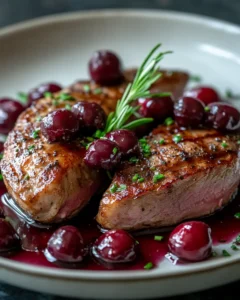
There are certain dishes that instantly elevate an evening, transforming an ordinary meal into something memorable. Elegant Seared Duck Breast with Cherry Sauce is one of those recipes. It feels perfectly suited for a quiet, candlelit dinner at home, a celebratory weekend meal, or even a special holiday gathering when you want to serve something refined without stepping into restaurant-level stress. The crisp skin, tender meat, and rich cherry sauce come together in a way that feels indulgent yet approachable.
This recipe is inspired by classic European bistro cooking, where duck and fruit sauces have long been paired to balance richness with gentle sweetness. The idea is simple: respect the ingredients, focus on technique, and let natural flavors shine. With just a bit of patience and attention, you can recreate a gourmet experience in your own kitchen—one that looks impressive on the plate and tastes even better with every bite.
Why Duck Breast Deserves a Place on Your Table
Duck breast is often misunderstood as difficult or overly rich, but when prepared correctly, it is remarkably balanced and elegant. The meat itself is tender and flavorful, while the skin—when properly rendered—becomes irresistibly crisp. Unlike many other proteins, duck benefits from a slower approach that allows the fat to melt away, leaving behind depth without heaviness.
Cherry sauce is a natural companion to duck. The subtle sweetness and gentle acidity of cherries cut through the richness of the meat, creating harmony on the palate. This recipe avoids overpowering flavors, focusing instead on a sauce that enhances rather than masks the duck. The result is a dish that feels refined yet comforting, perfect for both seasoned home cooks and adventurous beginners.
Ingredients for Elegant Seared Duck Breast with Cherry Sauce
For the Duck Breast
-
2 duck breasts (about 7–8 ounces / 200–225 g each)
-
1 teaspoon fine sea salt
-
½ teaspoon freshly ground black pepper
-
1 teaspoon fresh thyme leaves (or ½ teaspoon dried thyme)
For the Cherry Sauce
-
1½ cups pitted cherries (fresh or frozen, about 225 g)
-
¾ cup unsweetened cherry juice (180 ml)
-
½ cup low-sodium chicken broth (120 ml)
-
1 tablespoon honey
-
1 teaspoon balsamic-style fruit vinegar (non-alcoholic)
-
1 small shallot, finely minced (about 2 tablespoons)
-
1 teaspoon cornstarch mixed with 1 tablespoon cold water
-
1 tablespoon unsalted butter
-
Salt and black pepper to taste
Essential Tools for Success
-
Heavy skillet (cast iron or stainless steel works best)
-
Sharp knife for scoring the duck skin
-
Small saucepan for the cherry sauce
-
Paper towels
-
Instant-read thermometer (optional but helpful)
Having the right tools ensures consistent results and helps you focus on technique rather than troubleshooting mid-cook.
Making the Cherry Sauce from Scratch
While the duck rests, prepare the cherry sauce.
-
In a small saucepan, melt the butter over medium heat.
-
Add the minced shallot and cook for 2–3 minutes until soft and fragrant.
-
Stir in the cherries, cherry juice, chicken broth, honey, and fruit vinegar.
-
Bring the mixture to a gentle simmer and cook for 8–10 minutes, allowing the flavors to meld.
-
Stir in the cornstarch slurry and simmer for another 1–2 minutes until slightly thickened.
-
Season with salt and black pepper to taste.
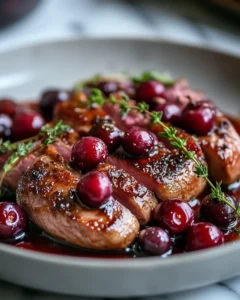
The sauce should be glossy, lightly thick, and balanced between sweet and savory.
Plating for a Gourmet Finish
Slice the duck breast thinly against the grain. Fan the slices across a warm plate and spoon the cherry sauce gently over and around the duck. For a refined presentation, garnish with fresh thyme or a few halved cherries.
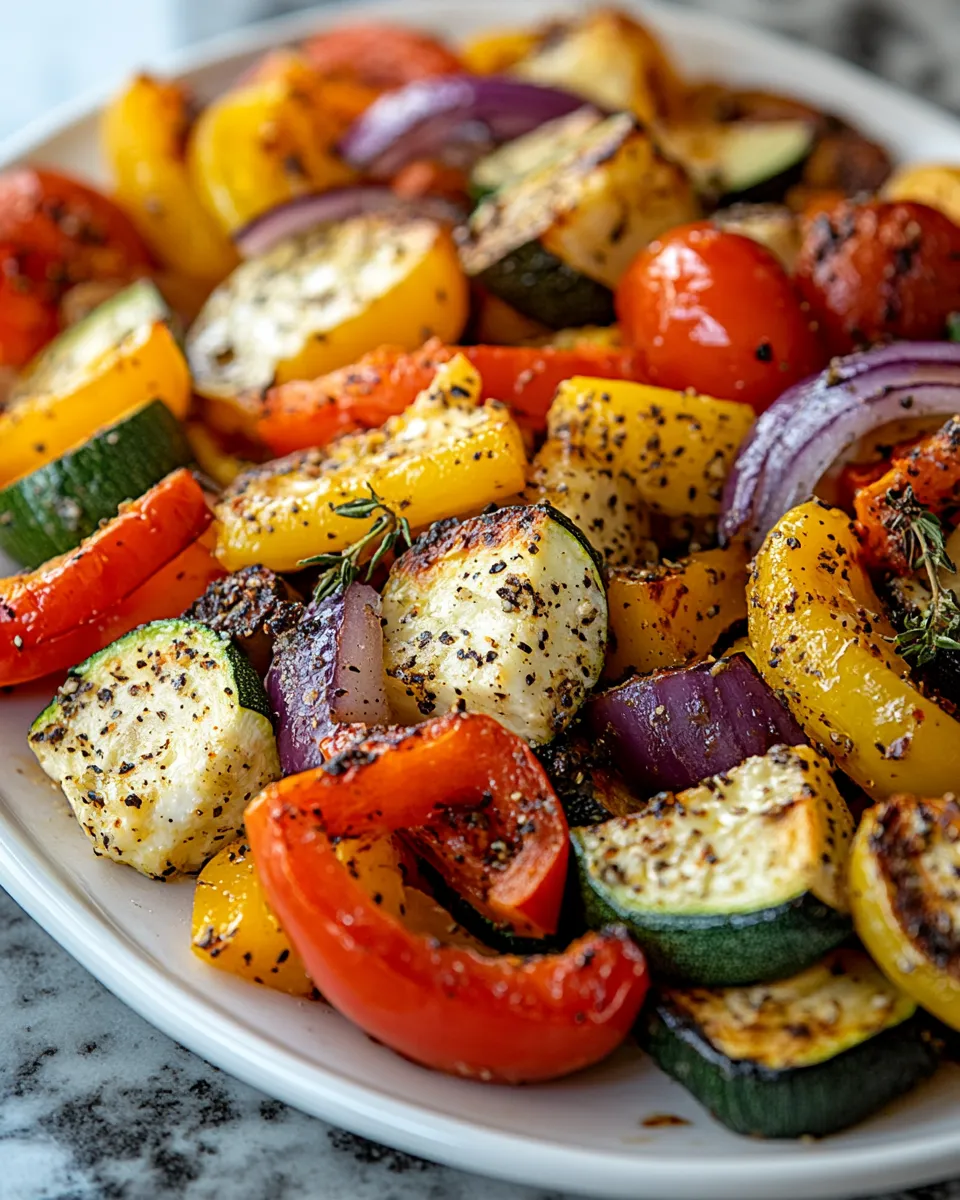
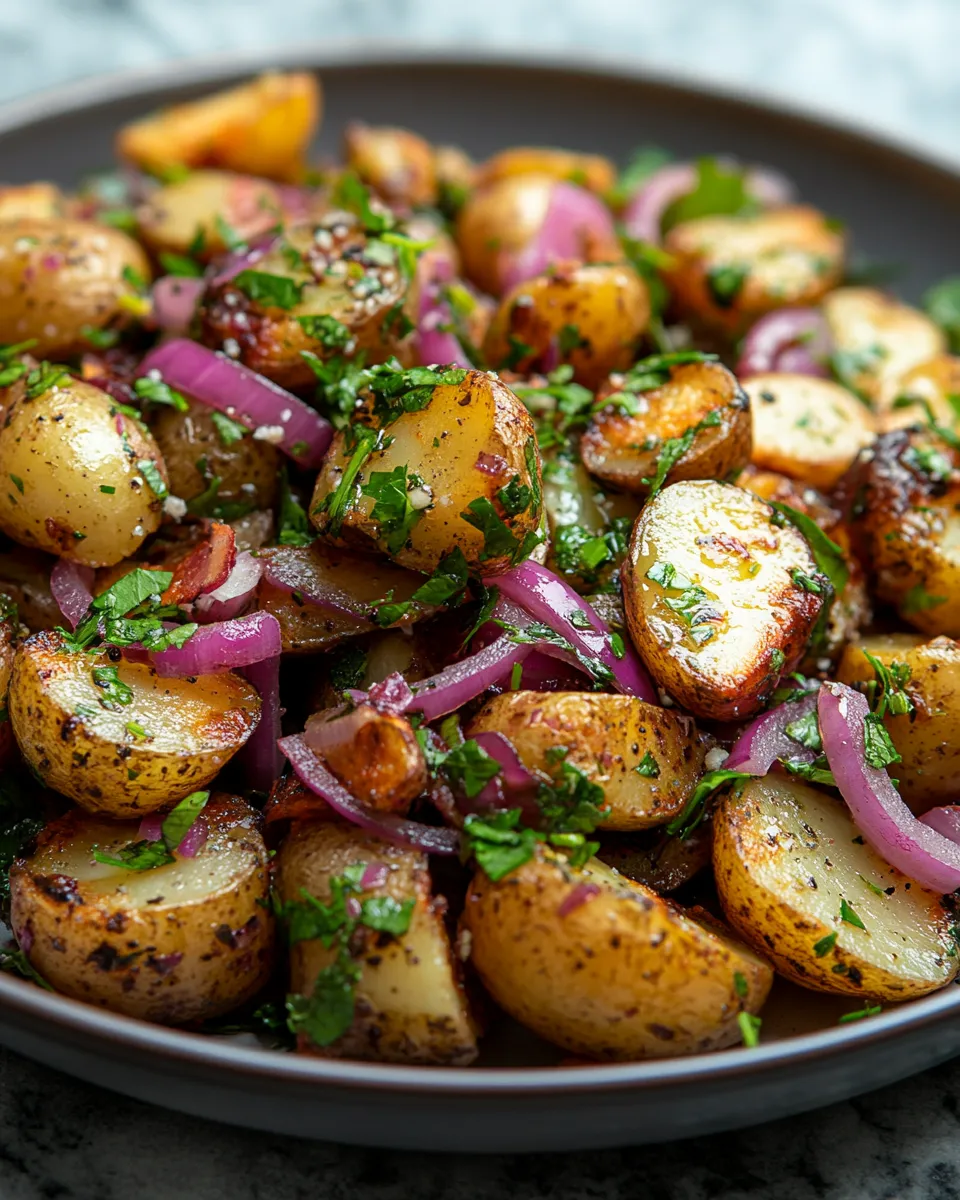
Serve with simple sides such as roasted root vegetables, creamy mashed potatoes, or lightly sautéed greens. Keeping the sides understated allows the duck and sauce to shine.
Frequently Asked Questions
1. How do I know when duck breast is cooked properly?
Duck breast is best enjoyed medium to medium-well, depending on preference. An internal temperature of about 135°F (57°C) yields tender, juicy meat. If you prefer slightly more doneness, aim for 140°F (60°C). The key is resting the meat after cooking; this ensures the juices stay locked in. Cutting too soon can cause dryness, even if the duck is cooked correctly.
2. Can I use frozen cherries for the sauce?
Yes, frozen cherries work beautifully in this recipe and are often more convenient. There is no need to thaw them beforehand. Simply add them directly to the saucepan and allow a few extra minutes of simmering time. Frozen cherries tend to release more juice, which can actually enhance the sauce’s depth and richness.
3. What can I substitute for cherry juice?
If cherry juice is unavailable, you can substitute with unsweetened cranberry juice or pomegranate juice. Both provide a similar balance of sweetness and acidity. Be sure to taste and adjust the honey accordingly, as some juices are more tart than others.
4. Why is scoring the duck skin so important?
Scoring the skin allows the fat to escape during cooking. Duck skin contains a significant amount of fat, and without scoring, it can remain thick and chewy. Proper scoring ensures even rendering, crisp skin, and a better overall texture. It is one of the most critical steps for achieving restaurant-quality results at home.
Final Thoughts
Elegant Seared Duck Breast with Cherry Sauce proves that gourmet cooking does not have to be intimidating. This dish is all about technique, patience, and balance. By taking the time to properly render the duck skin and gently build a flavorful cherry sauce, you create a meal that feels thoughtful and luxurious without unnecessary complexity.
What makes this recipe especially appealing is its versatility. It can anchor a romantic dinner, impress guests at a small gathering, or simply serve as a rewarding weekend cooking project. The flavors are refined yet familiar, making the dish approachable even for those who may be cooking duck for the first time.
Cooking at home is not just about nourishment—it is about experience. The sound of the duck skin crisping in the pan, the aroma of cherries simmering gently on the stove, and the satisfaction of plating something truly beautiful all contribute to that experience. This recipe invites you to slow down, enjoy the process, and savor the result.
With practice, this dish can become a signature meal in your kitchen, one that you return to whenever you want to create something special. Once you master the basics, you may even feel inspired to explore other fruit sauces or seasonal variations. For now, let this elegant combination of duck and cherries remind you that fine dining moments can begin right at home.
Print
Elegant Seared Duck Breast with Cherry Sauce – Gourmet at Home
- Total Time: 35 minutes
- Yield: 2 servings 1x
Description
A refined yet approachable dish featuring crisp-skinned duck breast paired with a rich, gently sweet cherry sauce—perfect for special occasions or elevated home dining.
Ingredients
-
2 duck breasts (7–8 ounces / 200–225 g each)
-
1 teaspoon fine sea salt
-
½ teaspoon freshly ground black pepper
-
1 teaspoon fresh thyme leaves
-
1½ cups pitted cherries (225 g)
-
¾ cup unsweetened cherry juice (180 ml)
-
½ cup low-sodium chicken broth (120 ml)
-
1 tablespoon honey
-
1 teaspoon balsamic-style fruit vinegar (non-alcoholic)
-
1 small shallot, finely minced
-
1 teaspoon cornstarch + 1 tablespoon cold water
-
1 tablespoon unsalted butter
Instructions
-
Pat duck breasts dry and score the skin in a shallow crosshatch pattern. Season with salt, pepper, and thyme.
-
Place duck skin-side down in a cold skillet. Cook over medium-low heat for 8–10 minutes, rendering fat until skin is golden and crisp.
-
Flip duck and cook for 3–5 minutes until desired doneness. Remove and rest for 5 minutes.
-
In a saucepan, melt butter and sauté shallot until soft.
-
Add cherries, cherry juice, chicken broth, honey, and fruit vinegar. Simmer 8–10 minutes.
-
Stir in cornstarch mixture and simmer until slightly thickened. Season to taste.
-
Slice duck, plate, and spoon cherry sauce over the top.
Notes
-
Always start duck skin-side down in a cold pan for best fat rendering.
-
Adjust sweetness of the sauce by adding more or less honey to taste.
-
Resting the duck before slicing is essential for juicy results.
- Prep Time: 15 minutes
- Cook Time: 20 minutes