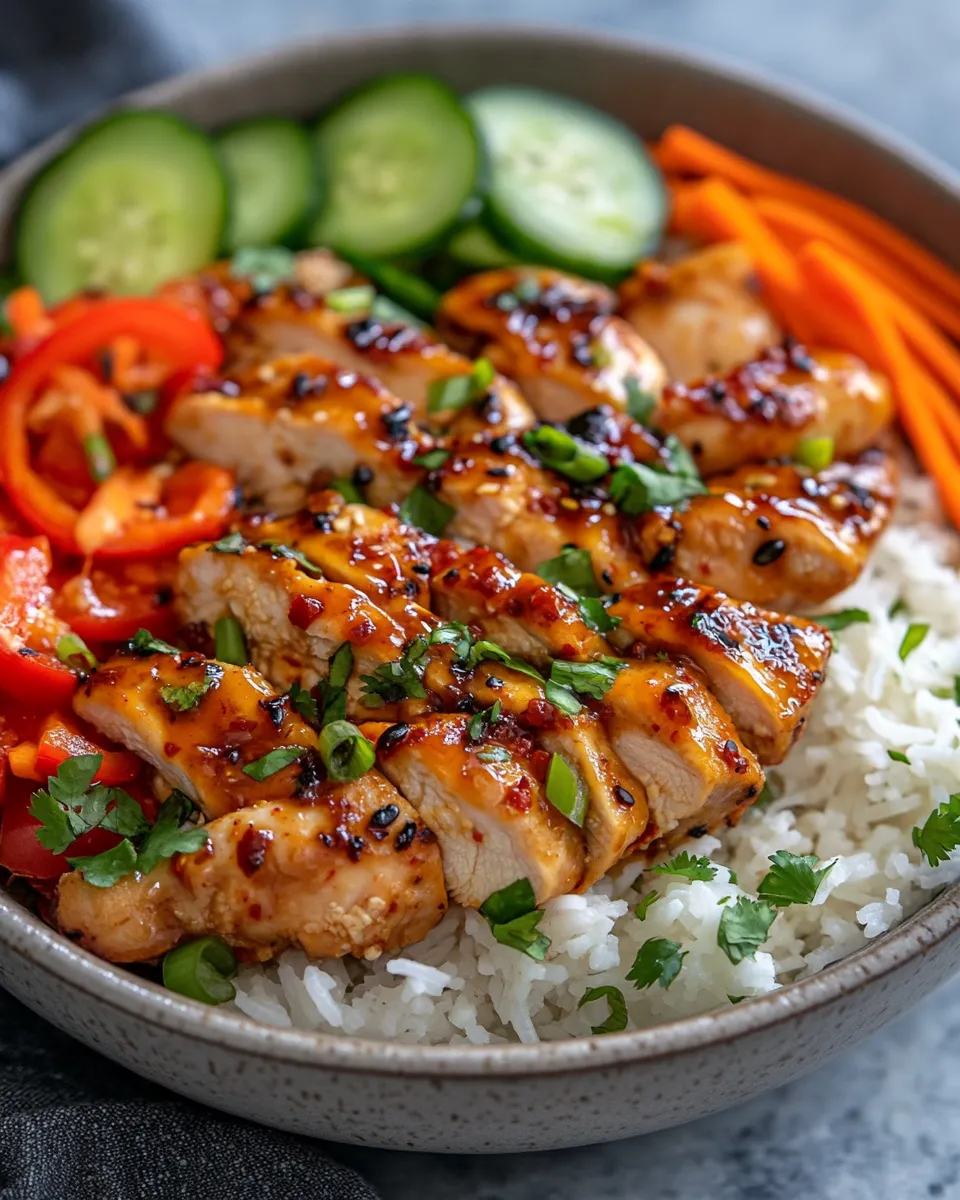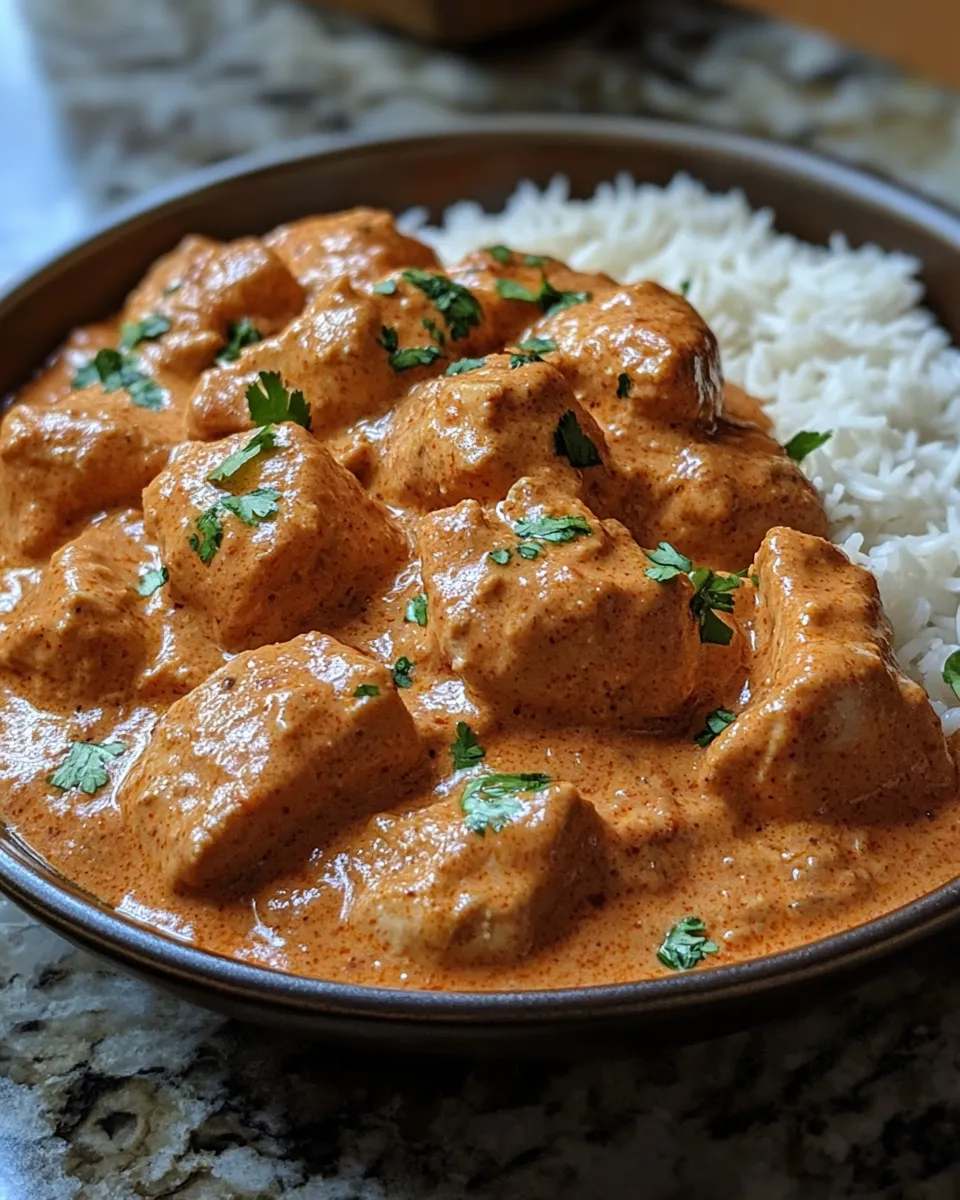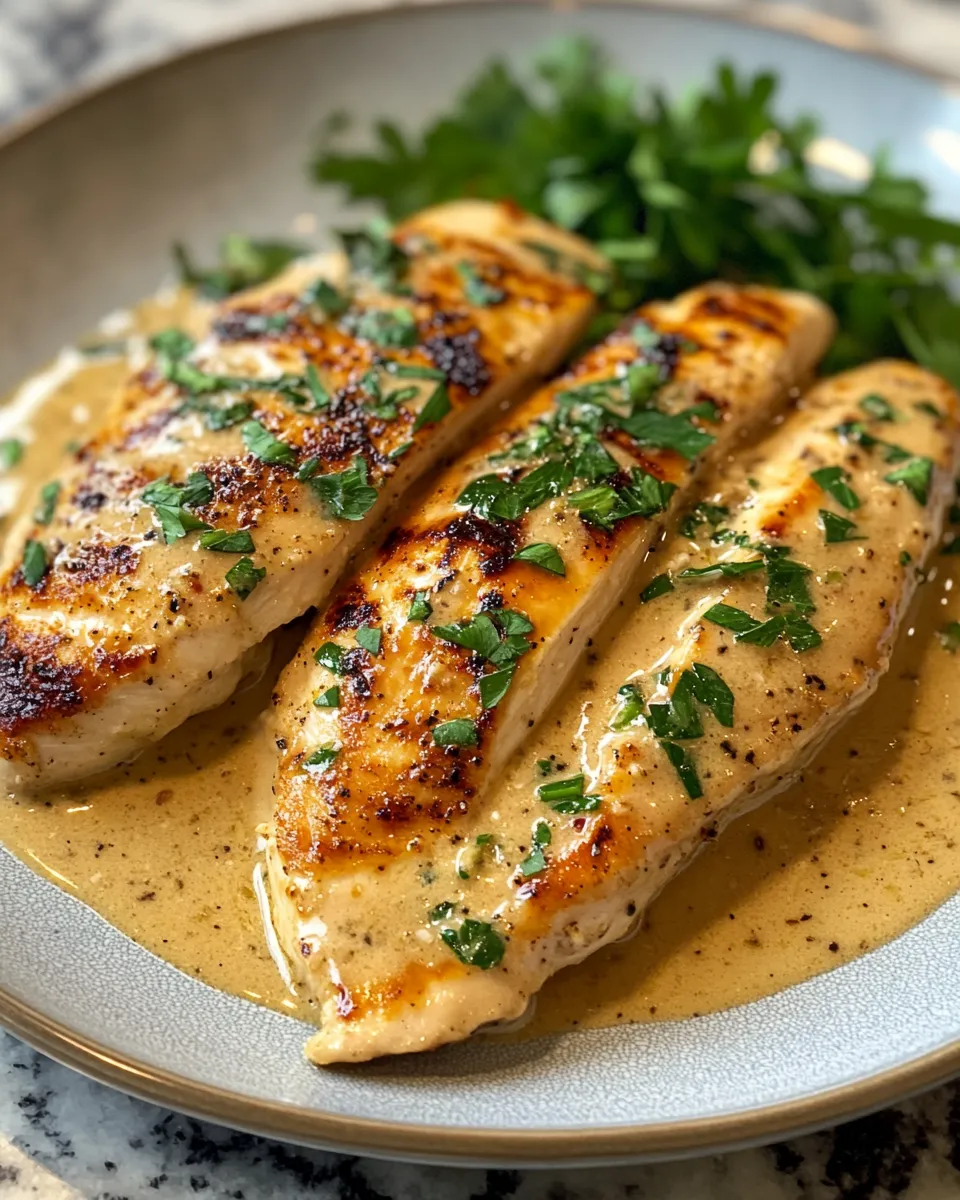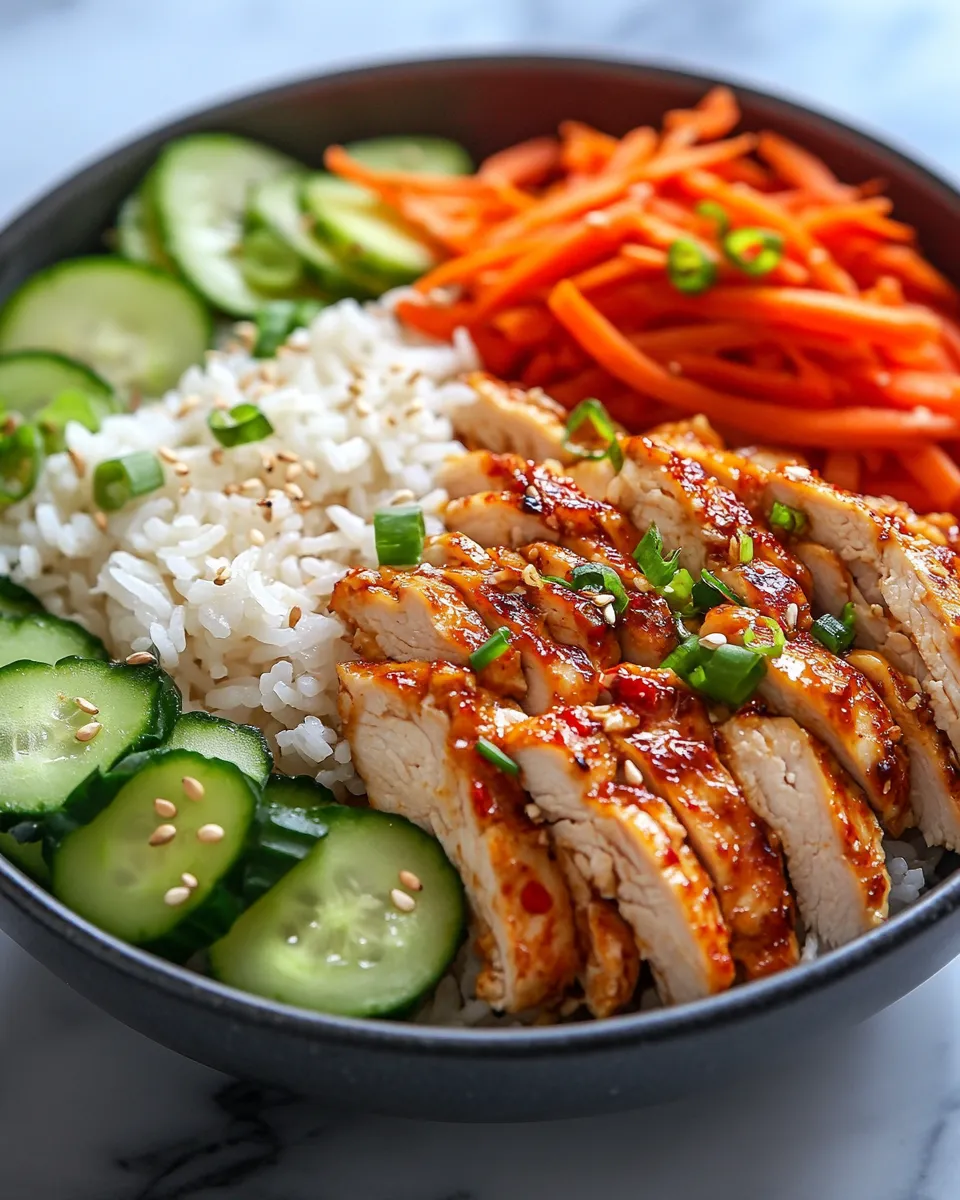
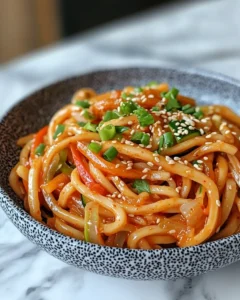
There’s something undeniably comforting about a bowl of warm, creamy noodles, especially when they’re infused with bold, vibrant flavors. Creamy Gochujang Udon Noodles are the perfect combination of spice, creaminess, and umami, making them ideal for a cozy evening at home or a satisfying midweek dinner. Inspired by Korean flavors and the love of hearty, comforting noodle dishes, this recipe transforms simple udon noodles into a restaurant-quality meal you can make in your own kitchen. The creamy sauce balances the heat of the gochujang, while vegetables and tender noodles create a dish that’s both rich and satisfying.
Whether you’re cooking for yourself, your family, or friends, this recipe will become a go-to for nights when you crave something warming, flavorful, and indulgent without being heavy.
Ingredients
-
12 oz (340 g) fresh or frozen udon noodles
-
1 tablespoon sesame oil
-
2 cloves garlic, minced
-
1 small onion, thinly sliced
-
1 bell pepper, thinly sliced
-
1 medium carrot, julienned
-
1 zucchini, julienned
-
3 tablespoons gochujang (Korean chili paste)
-
2 tablespoons soy sauce
-
1 tablespoon rice vinegar
-
1 teaspoon sugar or honey
-
1 cup vegetable broth
-
1/2 cup heavy cream or coconut cream for a dairy-free option
-
1 teaspoon toasted sesame seeds
-
2 green onions, sliced for garnish
-
Optional protein: tofu, chicken, shrimp, or beef strips
Directions
1. Cook the Noodles
Begin by bringing a large pot of water to a rolling boil. Fresh or frozen udon noodles work best for this recipe, as they have the perfect chewiness and texture to hold the creamy gochujang sauce. If you’re using dried udon noodles, slightly undercook them so they maintain their structure when mixed with the sauce later. Once the water is boiling, carefully add the noodles and stir occasionally to prevent sticking. Cook the noodles according to the package instructions, usually about 8–10 minutes for fresh noodles or 10–12 minutes for dried. Once they are tender but still firm to the bite, drain them in a colander and rinse briefly under warm water. This stops the cooking process and prevents them from becoming mushy. Set the noodles aside while you prepare the vegetables and sauce, as having them ready in advance makes assembly smooth and stress-free.
2. Prepare the Vegetables
Next, take a large skillet or wok and heat one tablespoon of sesame oil over medium heat. Sesame oil provides a subtle nutty aroma that pairs beautifully with the gochujang’s spicy-sweet flavor. Once the oil is hot, add the minced garlic and thinly sliced onions. Sauté for 2–3 minutes until they become fragrant and the onions are just beginning to soften. Be careful not to burn the garlic, as it can turn bitter quickly. The goal here is to infuse the oil with garlic flavor while allowing the onions to release their natural sweetness. This step forms the aromatic base for the rest of the dish, and taking your time ensures a richer, deeper flavor in the final noodles.
3. Add the Vegetables
Once the garlic and onions are ready, it’s time to add the remaining vegetables. Toss in thinly sliced bell peppers, julienned carrots, and zucchini strips. Stir-fry them gently for 3–4 minutes, just until they start to soften but still maintain a slight crunch. The texture of these vegetables is essential, as it provides contrast to the creamy noodles. Stir continuously to prevent burning, and make sure each piece of vegetable is coated lightly with the sesame oil and garlic mixture. The vibrant colors of the vegetables—red and yellow from the bell peppers, orange from the carrots, and green from the zucchini—make the dish visually appealing and inviting, which enhances the overall dining experience.
4. Make the Sauce
While the vegetables are cooking, prepare the sauce. In a small bowl, combine three tablespoons of gochujang, two tablespoons of soy sauce, one tablespoon of rice vinegar, one teaspoon of sugar or honey, and one cup of vegetable broth. Whisk thoroughly until smooth. This mixture balances sweet, savory, and tangy flavors with a mild heat from the gochujang. Pour the sauce evenly over the sautéed vegetables in the skillet, stirring gently to coat everything in a uniform layer. Bring the mixture to a gentle simmer for a few minutes. The heat allows the flavors to meld together, and the sauce begins to reduce slightly, concentrating the taste and making it more flavorful.
5. Incorporate the Cream
Once the sauce is simmering and aromatic, reduce the heat to low. Slowly stir in half a cup of heavy cream or coconut cream for a dairy-free alternative. Incorporating cream at this stage transforms the sauce into a rich, velvety coating for the noodles. Allow the sauce to cook on low heat for an additional 2 minutes, stirring occasionally, until it thickens slightly. The cream balances the spiciness of the gochujang while creating a luscious, smooth texture that clings to each noodle strand. Taste the sauce and adjust seasoning if needed, adding more soy sauce for saltiness, sugar for sweetness, or a touch more gochujang for heat.
6. Combine Noodles and Sauce
Add the drained udon noodles to the skillet. Using tongs or a spatula, gently toss the noodles with the creamy gochujang sauce until each strand is evenly coated. This step is crucial, as the sauce should cling to every noodle and vegetable piece. Take care not to overmix or break the noodles. If the sauce appears too thick, add a splash of vegetable broth to loosen it slightly, ensuring the noodles remain coated without becoming heavy or dry. The noodles should glisten with a creamy, spicy sauce and the vegetables should remain slightly crisp, creating a perfect balance of flavors and textures.
7. Add Protein (Optional)
If you’re including a protein, such as tofu, chicken, shrimp, or beef, add it now. Pre-cooked or lightly seared protein works best so it can absorb the sauce flavors while heating through. Gently fold it into the noodles and vegetables, taking care not to break delicate proteins like tofu or shrimp. Allow the protein to heat for 2–3 minutes on low heat so it is warmed through and infused with the sauce. This step adds heartiness to the dish, making it suitable for a main meal that’s filling and satisfying.
8. Garnish and Serve
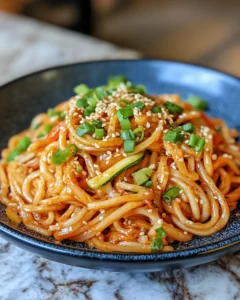
Finally, turn off the heat and transfer the creamy udon noodles to serving bowls or a large platter. Sprinkle generously with toasted sesame seeds and thinly sliced green onions for a burst of color, texture, and extra flavor. The sesame seeds provide a slight crunch and nutty aroma, while the green onions add freshness and a mild sharpness to contrast the creamy, spicy sauce. Serve immediately while hot, enjoying the combination of chewy noodles, tender-crisp vegetables, and a rich, flavorful sauce in every bite. This dish is perfect for a cozy dinner, a weekend treat, or any time you want a comforting, restaurant-quality noodle dish at home.
Tips for Perfect Creamy Gochujang Udon Noodles
-
Adjust Spice Level: Gochujang can be spicy, so start with 2 tablespoons and taste before adding more. For a milder version, mix with a little more cream.
-
Use Fresh Veggies: Fresh vegetables provide better texture and flavor. You can swap in seasonal vegetables like broccoli, mushrooms, or snap peas.
-
Protein Options: Tofu is perfect for a vegetarian version, while shrimp, chicken, or beef add heartiness. Cook the protein separately if you want it seared before adding to the sauce.
-
Noodle Tip: Fresh or frozen udon noodles work best. If using dried, cook a minute less than instructed so they don’t become too soft when tossed in the sauce.
-
Make Ahead: The sauce can be prepared ahead of time. Store it in the fridge for up to 3 days, then toss with freshly cooked noodles when ready to serve.
Why This Recipe Works
This dish brings together a perfect balance of flavors:
-
Creamy: The cream softens the heat from the gochujang and makes the sauce luscious.
-
Spicy: Gochujang provides a subtle, smoky chili flavor without overpowering the dish.
-
Umami-Rich: Soy sauce and sesame oil enhance the depth of flavor.
-
Textural Variety: Crisp vegetables, chewy udon noodles, and optional protein make each bite satisfying.
Unlike many spicy noodle recipes, this one doesn’t leave you reaching for a drink to cool down—it’s balanced and rich, designed to be savored.
Frequently Asked Questions
1. Can I make this dish vegetarian or vegan?
Absolutely! Use vegetable broth instead of any meat-based broth, and replace the heavy cream with coconut cream for a vegan option. Tofu is an excellent protein choice for vegetarians.
2. How spicy is gochujang, and can I reduce the heat?
Gochujang has a mild to medium heat, depending on the brand. To reduce spiciness, start with less and gradually add more to taste. You can also add more cream or coconut milk to balance the heat.
3. Can I use other types of noodles?
Yes, but udon is recommended for its chewy texture and ability to hold the sauce. Soba or rice noodles can work, though the dish will have a slightly different texture and feel.
4. How long will leftovers last?
Store leftover noodles in an airtight container in the refrigerator for up to 2 days. Reheat gently in a skillet with a splash of broth or cream to prevent the sauce from thickening too much.
Serving Suggestions
-
As a Standalone Meal: Serve with a simple cucumber salad or kimchi for a complete Korean-inspired dinner.
-
With Protein: Grilled shrimp, pan-seared chicken, or crispy tofu make this dish a full, satisfying meal.
-
Family-Friendly Option: Reduce the gochujang slightly for a milder, kid-friendly version without sacrificing flavor.
Flavor Variations
-
Garlic Lovers: Add an extra clove of garlic or a sprinkle of garlic powder for a deeper flavor.
-
Nutty Twist: Mix in 1 tablespoon of peanut butter with the sauce for a creamy, nutty variation reminiscent of Korean-inspired peanut noodles.
-
Veggie Boost: Add mushrooms, spinach, or bok choy for added nutrition and color.
-
Crispy Texture: Top with fried shallots or crushed roasted peanuts for an extra crunch.
The Perfect Cozy Meal
Creamy Gochujang Udon Noodles are more than just a dinner—they’re an experience. Imagine sitting at your kitchen table on a chilly evening, the warmth of the noodles comforting your soul, the bold flavors igniting your taste buds. This dish proves that cooking at home can be as satisfying as dining at a favorite Korean restaurant. With fresh ingredients, a quick yet flavorful sauce, and the right balance of spice and creaminess, you’ll find yourself returning to this recipe again and again.
Whether you’re cooking for a weeknight dinner, a casual gathering with friends, or a special treat for yourself, these noodles deliver warmth, flavor, and comfort in every bite.
Print
Creamy Gochujang Udon Noodles Loaded with Flavor
- Total Time: 25 minutes
- Yield: 3–4 servings 1x
Description
A warm, comforting bowl of udon noodles tossed in a rich and creamy gochujang sauce, loaded with fresh vegetables and optional protein. Perfect for cozy weeknight dinners or whenever you crave bold, spicy, and savory flavors in a satisfying noodle dish. Inspired by Korean flavors, this recipe combines creaminess, umami, and a touch of heat for a deliciously balanced meal.
Ingredients
-
12 oz (340 g) fresh or frozen udon noodles
-
1 tablespoon sesame oil
-
2 cloves garlic, minced
-
1 small onion, thinly sliced
-
1 bell pepper, thinly sliced
-
1 medium carrot, julienned
-
1 zucchini, julienned
-
3 tablespoons gochujang (Korean chili paste)
-
2 tablespoons soy sauce
-
1 tablespoon rice vinegar
-
1 teaspoon sugar or honey
-
1 cup vegetable broth
-
1/2 cup heavy cream or coconut cream for dairy-free option
-
1 teaspoon toasted sesame seeds
-
2 green onions, sliced for garnish
-
Optional protein: tofu, chicken, shrimp, or beef strips
Instructions
-
Bring a large pot of water to a boil. Cook the udon noodles according to package instructions. Drain and set aside.
-
In a large skillet or wok, heat sesame oil over medium heat. Add garlic and onions and sauté for 2–3 minutes until fragrant.
-
Add bell peppers, carrot, and zucchini. Stir-fry for 3–4 minutes until vegetables are slightly tender but still crisp.
-
In a small bowl, whisk together gochujang, soy sauce, rice vinegar, sugar, and vegetable broth until smooth. Pour over the vegetables and bring to a gentle simmer.
-
Reduce heat to low and stir in the heavy cream or coconut cream. Cook for 2 minutes until the sauce thickens slightly.
-
Add the cooked udon noodles to the skillet and toss until noodles are evenly coated with the creamy sauce.
-
If using protein, add it now and gently mix to combine. Heat through for 2–3 minutes.
-
Sprinkle with toasted sesame seeds and sliced green onions. Serve hot.
Notes
-
Adjust the spice level by adding more or less gochujang.
-
Fresh vegetables provide better texture, but seasonal vegetables can be used.
-
Protein can be added for a more filling meal.
-
Leftover noodles can be stored in the fridge for up to 2 days and reheated gently.
- Prep Time: 10 minutes
- Cook Time: 15 minutes