
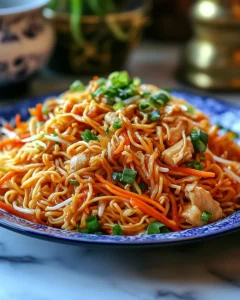
There’s something magical about the aroma of freshly stir-fried noodles drifting through the kitchen on a busy weeknight. The sizzling sound of vegetables hitting a hot wok, the savory scent of soy sauce caramelizing, and the satisfying toss of glossy noodles create an experience that feels both comforting and exciting. Authentic Chow Mein Restaurant Style Noodles are the kind of dish that turns an ordinary evening into something special.
This recipe was inspired by classic Cantonese-style chow mein served in bustling family-owned restaurants where the kitchen flames dance behind the counter. Watching skilled chefs move effortlessly with their woks sparked the desire to recreate that same bold flavor and texture at home. With the right ingredients and technique, you can bring that restaurant-quality chow mein straight to your table.
What Makes Chow Mein Truly Authentic?
Authentic chow mein is all about balance—texture, flavor, and technique working in harmony. “Chow mein” literally translates to “stir-fried noodles,” and the hallmark of a great version is slightly crisp yet tender noodles coated in a savory sauce.
Key characteristics include:
-
Thin egg noodles with a springy bite
-
A high-heat stir-fry technique
-
Light but flavorful sauce
-
Fresh, crunchy vegetables
-
Balanced seasoning without overpowering saltiness
The goal is not to drown the noodles in sauce but to let each ingredient shine.
Ingredients for Authentic Chow Mein Restaurant Style Noodles
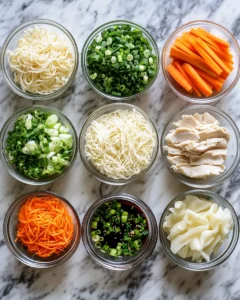
Here’s everything you’ll need to achieve that authentic restaurant flavor:
For the Noodles and Protein:
-
12 ounces (340 g) dried thin egg noodles
-
2 tablespoons vegetable oil, divided
-
1 pound (450 g) boneless skinless chicken breast, thinly sliced
-
1 teaspoon cornstarch
-
1 teaspoon light soy sauce
For the Vegetables:
-
1 cup (100 g) shredded green cabbage
-
1 cup (100 g) shredded napa cabbage
-
1 cup (100 g) bean sprouts
-
1 medium carrot (about 75 g), julienned
-
3 green onions, cut into 2-inch pieces
-
2 cloves garlic, minced
-
1 teaspoon grated fresh ginger
For the Sauce:
-
3 tablespoons light soy sauce
-
1 tablespoon dark soy sauce
-
1 teaspoon oyster sauce
-
1 teaspoon sesame oil
-
½ teaspoon sugar
-
¼ teaspoon white pepper
-
3 tablespoons chicken broth
-
1 teaspoon cornstarch
Step-by-Step Instructions
1. Prepare the Noodles
Bring a large pot of water to a boil. Add the 12 ounces (340 g) dried egg noodles and cook according to package instructions until just al dente. Drain immediately and rinse briefly under warm water to remove excess starch. Toss with 1 teaspoon vegetable oil to prevent sticking and set aside.
2. Marinate the Chicken
In a bowl, combine the 1 pound (450 g) thinly sliced chicken breast with 1 teaspoon cornstarch and 1 teaspoon light soy sauce. Let it marinate for 10–15 minutes. This step helps tenderize the meat and ensures it stays juicy.
3. Prepare the Sauce
In a small bowl, mix together:
-
3 tablespoons light soy sauce
-
1 tablespoon dark soy sauce
-
1 teaspoon oyster sauce
-
1 teaspoon sesame oil
-
½ teaspoon sugar
-
¼ teaspoon white pepper
-
3 tablespoons chicken broth
-
1 teaspoon cornstarch
Stir until fully combined and set aside.
4. Stir-Fry the Chicken
Heat 1 tablespoon vegetable oil in a wok or large skillet over high heat. Add the marinated chicken in a single layer. Let it sear for about 1 minute before stirring. Cook until just done, about 3–4 minutes. Remove from the pan and set aside.
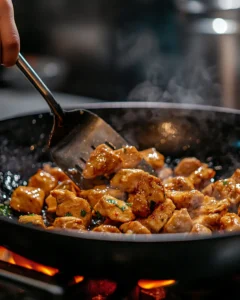
5. Stir-Fry the Aromatics and Vegetables
Add the remaining 1 tablespoon vegetable oil to the wok. Add minced garlic and grated ginger, stir-frying for about 10 seconds until fragrant.
Add:
-
1 cup (100 g) shredded green cabbage
-
1 cup (100 g) shredded napa cabbage
-
1 cup (100 g) bean sprouts
-
1 medium julienned carrot
Stir-fry for 2–3 minutes. The vegetables should be slightly tender but still crisp.
6. Combine Everything
Return the chicken to the wok. Add the cooked noodles and pour the prepared sauce evenly over everything. Using tongs, gently toss and lift the noodles to coat them thoroughly in sauce. Stir-fry for another 2–3 minutes until heated through and slightly caramelized.
Add the green onions in the final 30 seconds of cooking.
Serve immediately.
Tips for Achieving Restaurant-Style Texture
Use High Heat
Professional kitchens use powerful burners. At home, preheat your wok or skillet thoroughly before adding ingredients to replicate that intense heat.
Don’t Overcrowd the Pan
If your skillet is small, cook in batches. Overcrowding lowers the temperature and causes steaming instead of stir-frying.
Slightly Undercook the Noodles
They will continue cooking in the wok. Overcooked noodles turn mushy quickly.
Prep Everything First
Stir-frying happens fast. Have all ingredients chopped, measured, and ready before turning on the heat.
Variations You Can Try
Chow mein is incredibly versatile. Here are some variations:
Shrimp Chow Mein
Replace chicken with 1 pound (450 g) peeled and deveined shrimp. Cook shrimp for 2–3 minutes until pink.
Vegetable Chow Mein
Skip the chicken and add:
-
1 cup (100 g) sliced mushrooms
-
½ cup (75 g) snow peas
-
½ cup (75 g) sliced bell peppers
Beef Chow Mein
Use 1 pound (450 g) thinly sliced flank steak and marinate similarly to the chicken.
Common Mistakes to Avoid
-
Adding too much sauce
-
Cooking noodles too long
-
Using low heat
-
Skipping the marinade
-
Not drying noodles properly before stir-frying
Each of these can prevent you from achieving that authentic restaurant-style result.
Frequently Asked Questions
1. What type of noodles are best for authentic chow mein?
Thin Chinese egg noodles are the traditional choice for authentic chow mein. These noodles contain wheat flour and eggs, which give them a slightly yellow color and springy texture. Fresh egg noodles work beautifully if available, but dried versions are more commonly found and perform just as well when cooked properly. Avoid spaghetti if possible, as it lacks the same chew and absorbs sauce differently. If using dried egg noodles, cook them until just al dente. Overcooked noodles become soft and clumpy during stir-frying. If you can find “Hong Kong style” pan-fried noodles, they are excellent for creating slightly crispy edges, a signature texture in some restaurant versions. Proper noodle preparation is one of the most important factors in achieving authentic flavor and texture at home.
2. How do restaurants get that smoky flavor in chow mein?
The smoky flavor often associated with restaurant chow mein is known as “wok hei,” which translates to “breath of the wok.” It comes from cooking ingredients quickly over extremely high heat in a well-seasoned wok. The intense heat causes slight caramelization and charring, creating depth of flavor. While most home kitchens cannot replicate commercial burners, you can get close by preheating your wok until very hot before adding oil, cooking in small batches, and avoiding overcrowding. Using a cast iron skillet is also helpful because it retains heat well. Cooking quickly and confidently helps preserve both flavor and texture.
3. Can I make chow mein ahead of time?
Chow mein is best enjoyed fresh, right after cooking. However, you can prepare components in advance. Slice the vegetables, marinate the chicken, and mix the sauce up to 24 hours ahead. Store them separately in airtight containers in the refrigerator. If you need to fully cook it ahead, slightly undercook the noodles and vegetables so they do not become soft when reheated. Reheat quickly in a hot skillet rather than a microwave to restore texture. Add a splash of chicken broth if the noodles seem dry. Proper reheating helps maintain flavor without sacrificing quality.
4. How do I keep my noodles from sticking together?
After boiling, rinse the noodles briefly in warm water to remove excess starch, then toss them with about 1 teaspoon vegetable oil. This coating prevents clumping. Also, avoid letting cooked noodles sit in a strainer for too long, as residual heat can cause them to stick. If preparing ahead, spread them out slightly on a tray to cool before storing. When adding them to the wok, use tongs to gently separate strands while tossing. Proper preparation and handling ensure smooth, evenly coated noodles.
Serving Suggestions
Serve your authentic chow mein hot and fresh as a main dish. It pairs wonderfully with:
-
Steamed dumplings
-
Hot and sour soup
-
Stir-fried green beans
-
Simple cucumber salad
For family-style meals, place the chow mein in a large serving bowl and let everyone help themselves.
Storage and Reheating
Store leftovers in an airtight container in the refrigerator for up to 3 days. Reheat in a skillet over medium-high heat with 1–2 tablespoons water or chicken broth to loosen the noodles.
Avoid microwaving if possible, as it can soften the texture.
Final Thoughts
Authentic Chow Mein Restaurant Style Noodles are more than just a quick dinner—they represent the beauty of simple ingredients transformed through technique. When you master this recipe, you gain more than a meal; you gain a skill. Stir-frying is about timing, confidence, and balance, and once you understand the rhythm, you can adapt it endlessly.
There’s something deeply satisfying about recreating restaurant-quality dishes at home. The first time you hear that sizzle in the pan and smell the garlic and soy sauce blending together, you’ll realize how approachable authentic cooking can be. You don’t need complicated ingredients or special equipment—just fresh components and attention to detail.
This dish is perfect for busy weeknights, family gatherings, or even meal prep with a gourmet twist. It’s customizable, comforting, and packed with flavor. Once you try it, you may find yourself skipping takeout more often and reaching for your wok instead.
Cooking is an experience, and chow mein captures the excitement of high-heat stir-frying while delivering reliable, comforting results. With practice, you’ll develop your own signature version while keeping the authentic foundation intact.
Bring the restaurant experience into your kitchen tonight and enjoy every savory, satisfying bite.
Print
Authentic Chow Mein Restaurant Style Noodles
5 Stars 4 Stars 3 Stars 2 Stars 1 Star
No reviews
- Author: Michelle Davis
- Total Time: 35 minutes
- Yield: 4 servings 1x
Description
A classic Cantonese-style stir-fried noodle dish featuring tender chicken, crisp vegetables, and savory egg noodles tossed in a flavorful sauce.
Ingredients
12 ounces (340 g) dried thin egg noodles
2 tablespoons vegetable oil, divided
1 pound (450 g) boneless skinless chicken breast, thinly sliced
1 teaspoon cornstarch
1 teaspoon light soy sauce
1 cup (100 g) shredded green cabbage
1 cup (100 g) shredded napa cabbage
1 cup (100 g) bean sprouts
1 medium carrot (about 75 g), julienned
3 green onions, cut into 2-inch pieces
2 cloves garlic, minced
1 teaspoon grated fresh ginger
3 tablespoons light soy sauce
1 tablespoon dark soy sauce
1 teaspoon oyster sauce
1 teaspoon sesame oil
½ teaspoon sugar
¼ teaspoon white pepper
3 tablespoons chicken broth
1 teaspoon cornstarch
Instructions
Boil noodles according to package instructions until just al dente. Drain, rinse briefly, and toss with a little oil.
Marinate sliced chicken with 1 teaspoon cornstarch and 1 teaspoon soy sauce for 10–15 minutes.
Mix sauce ingredients in a bowl and set aside.
Heat 1 tablespoon oil in a wok over high heat. Stir-fry chicken until cooked through. Remove and set aside.
Add remaining oil. Stir-fry garlic and ginger briefly, then add cabbage, carrot, and bean sprouts. Cook 2–3 minutes.
Return chicken to the wok. Add noodles and sauce. Toss well and stir-fry until evenly coated and heated through.
Add green onions and cook 30 seconds more. Serve immediately.
Notes
Use high heat for best texture.
Do not overcook noodles.
Prep all ingredients before starting to cook.
Adjust soy sauce slightly to taste if needed.
- Prep Time: 20 minutes
- Cook Time: 15 minutes