
Love this recipe? There's 59 more where that came from.
The Creamy Pasta Playbook is 60 easy, cheesy, creamy pasta recipes — chicken, steak bites, shrimp, tortellini and more — ready in one bowl.
Get the ebook →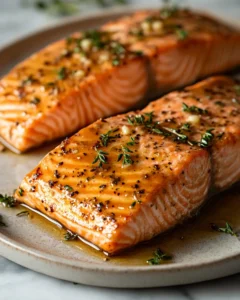
There are certain meals that feel effortlessly special, the kind you can serve on a quiet evening at home or place proudly at the center of the table when guests arrive. Sweet and tangy maple Dijon salmon is exactly that kind of recipe. It’s warm, comforting, and full of flavor, yet refined enough to feel like something you’d order at a favorite restaurant. The gentle sweetness of maple syrup mingles with the bold tang of Dijon mustard, creating a glaze that transforms simple salmon fillets into something memorable.
This recipe was inspired by the idea that great food doesn’t need to be complicated. With a short list of carefully measured ingredients and a straightforward cooking method, this dish delivers consistent results every time. It’s a recipe rooted in balance, tradition, and the joy of sharing a meal that feels both nourishing and indulgent.
Why This Maple Dijon Salmon Is a Favorite
One of the reasons this maple Dijon salmon is so widely loved is its universal appeal. The measured sweetness of pure maple syrup complements the savory richness of salmon without overpowering it. Dijon mustard adds just enough sharpness to keep the flavors lively and interesting, making each bite satisfying.
Another reason this dish stands out is its reliability. With precise ingredient measurements, the glaze comes together perfectly every time, ensuring a consistent balance of sweet, tangy, and savory notes. It’s approachable for beginners and dependable for experienced home cooks.
Finally, this recipe fits seamlessly into many lifestyles. It’s quick to prepare, made with accessible ingredients, and pairs well with countless side dishes. Whether served with vegetables, grains, or salads, it adapts beautifully to different meals and occasions.
Ingredients You’ll Need
Each ingredient in this recipe has been carefully measured to create the ideal flavor balance.
-
Salmon fillets: 4 fillets, each about 6 ounces (170 grams)
-
Pure maple syrup: 1/4 cup (60 milliliters)
-
Dijon mustard: 3 tablespoons (45 grams)
-
Olive oil: 2 tablespoons (30 milliliters)
-
Garlic: 2 cloves, minced (about 2 teaspoons / 10 grams)
-
Fresh lemon juice: 1 tablespoon (15 milliliters)
-
Salt: 1/2 teaspoon (3 grams)
-
Black pepper: 1/4 teaspoon (0.5 grams)
-
Fresh thyme or parsley (optional): 1 teaspoon, finely chopped (about 1 gram)
Using accurate measurements ensures the glaze coats the salmon evenly and delivers the signature sweet-and-tangy flavor this recipe is known for.
Step-by-Step Instructions
Preparing the Oven and Baking Dish
Begin by preheating your oven to 400°F (200°C). This temperature is ideal for cooking salmon evenly while allowing the maple Dijon glaze to gently thicken and caramelize without burning. While the oven heats, prepare your baking dish. Line it with parchment paper for easy cleanup, or lightly grease it with about 1 teaspoon (5 ml) of olive oil to prevent sticking. Taking this step ensures the salmon lifts cleanly from the dish and maintains its beautiful presentation when served.
Choosing the right baking dish also matters. A dish that fits the salmon fillets snugly, without overcrowding, helps the glaze stay on the fish instead of spreading too thinly across the pan. Proper spacing allows the heat to circulate evenly, promoting consistent cooking and a tender, flaky texture.
Mixing the Maple Dijon Glaze
In a small mixing bowl, combine 1/4 cup (60 ml) pure maple syrup, 3 tablespoons (45 g) Dijon mustard, 2 tablespoons (30 ml) olive oil, 1 tablespoon (15 ml) fresh lemon juice, 2 cloves of minced garlic (about 2 teaspoons / 10 g), 1/2 teaspoon (3 g) salt, and 1/4 teaspoon (0.5 g) black pepper. Whisk the ingredients together until the mixture becomes smooth and glossy.
This step is crucial because the glaze is the heart of the recipe. Whisking thoroughly ensures the sweetness of the maple syrup is evenly balanced with the tang of the Dijon mustard and the brightness of the lemon juice. The olive oil helps emulsify the glaze, giving it a silky texture that clings beautifully to the salmon. Take a moment to taste the glaze and adjust slightly if needed, keeping in mind that the flavors will deepen as the salmon cooks.
Preparing the Salmon Fillets
Place the salmon fillets into the prepared baking dish, leaving a small amount of space between each piece. If the fillets still have the skin attached, position them skin-side down. This helps protect the delicate flesh during baking and makes serving easier once the salmon is cooked.
Before adding the glaze, make sure the salmon fillets are patted dry with paper towels. Removing excess moisture allows the glaze to adhere better and results in a more flavorful, slightly caramelized finish. Using a spoon, evenly distribute the maple Dijon glaze over each fillet. Gently spread it across the surface with the back of the spoon, ensuring every piece is well coated for consistent flavor in every bite.
Allowing the Flavors to Set
If time permits, let the glazed salmon rest at room temperature for 10 to 15 minutes before baking. While this step is optional, it makes a noticeable difference in flavor. Allowing the salmon to sit briefly gives the glaze time to penetrate the surface of the fish, enhancing the balance of sweet and tangy notes.
During this resting period, the salmon begins to absorb the garlic, mustard, and maple syrup, resulting in a more cohesive and well-rounded taste. This small pause can elevate the final dish, especially if you’re serving it to guests or for a special meal.
Baking the Salmon to Perfection
Transfer the baking dish to the preheated oven and bake the salmon for 12 to 15 minutes, depending on the thickness of the fillets. Thicker cuts may need the full 15 minutes, while thinner fillets can be perfectly cooked closer to 12 minutes. Avoid overbaking, as salmon can dry out quickly if left in the oven too long.
As the salmon cooks, the glaze will gently thicken and develop a glossy sheen. The fish is done when it appears opaque and flakes easily with a fork. For extra precision, an internal temperature of 145°F (63°C) indicates perfectly cooked salmon.
Finishing and Serving
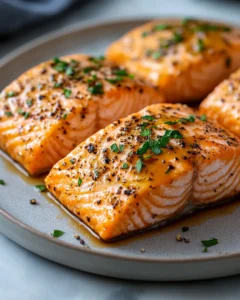
Once baked, remove the salmon from the oven and allow it to rest for 2 to 3 minutes. This brief resting time helps the juices redistribute, ensuring each fillet remains moist and tender. Sprinkle the salmon with 1 teaspoon (1 g) of freshly chopped thyme or parsley, if desired, for a fresh finish and a touch of color.
Serve the salmon immediately while it’s warm, pairing it with your favorite side dishes. The result is a beautifully glazed, tender salmon with layers of sweet and tangy flavor in every bite.
Helpful Tips for Best Results
Using evenly sized salmon fillets helps ensure consistent cooking. Fillets that are around 1 to 1½ inches thick cook most evenly at this temperature.
Avoid increasing the oven temperature, as higher heat can cause the glaze to burn before the salmon cooks through. The measured maple syrup caramelizes beautifully at 400°F without becoming bitter.
Always pat the salmon dry with paper towels before adding the glaze. Removing excess moisture allows the glaze to cling better and develop a richer finish.
Let the salmon rest for 2 to 3 minutes after baking to allow the juices to redistribute for a more tender texture.
Serving Ideas
This sweet and tangy maple Dijon salmon pairs wonderfully with roasted vegetables such as carrots, broccoli, or asparagus. For a heartier meal, serve it alongside rice, quinoa, or mashed potatoes.
It also works well as a lighter option when paired with a fresh green salad or steamed vegetables. The balanced glaze complements both simple and more elaborate side dishes, making it a versatile addition to your meal rotation.
Frequently Asked Questions
1. Can I use frozen salmon with exact measurements?
Yes, frozen salmon works well as long as it is fully thawed. Use the same measurement of 6 ounces (170 grams) per fillet. Thaw the salmon in the refrigerator overnight, then pat it dry thoroughly before applying the glaze. This ensures the measured glaze adheres properly and cooks as intended.
2. Can I adjust the sweetness of the glaze?
Absolutely. If you prefer a slightly less sweet glaze, reduce the maple syrup to 3 tablespoons (45 ml) and increase the Dijon mustard to 4 tablespoons (60 g). This adjustment maintains the overall balance while shifting the flavor profile toward tangy rather than sweet.
3. Is it possible to prepare the glaze ahead of time?
Yes, the glaze can be prepared up to 48 hours in advance. Measure and mix all glaze ingredients, then store the mixture in an airtight container in the refrigerator. Stir well before using to recombine the ingredients.
4. How can I tell if the salmon is cooked perfectly?
The salmon is done when it flakes easily with a fork and reaches an internal temperature of 145°F (63°C). The flesh should be opaque but still moist. Removing it from the oven just before it reaches this temperature allows for carryover cooking.
Final Thoughts
Sweet and tangy maple Dijon salmon is proof that precision and simplicity can coexist beautifully in the kitchen. With clearly measured ingredients and an easy cooking method, this recipe delivers consistent, flavorful results that feel both comforting and impressive. It’s a dish that earns a permanent place in your recipe collection because it works just as well for everyday dinners as it does for special occasions.
What makes this recipe truly special is its balance. Every measured component plays an important role, from the sweetness of the maple syrup to the sharp bite of Dijon mustard and the richness of the salmon itself. Together, they create a harmony of flavors that feels intentional and satisfying.
This recipe also invites creativity. Once you’re comfortable with the base measurements, you can experiment with herbs, citrus zest, or side dishes while still relying on the same dependable foundation. It’s forgiving, adaptable, and rewarding every time you make it.
At the heart of it all, this maple Dijon salmon is about enjoying food that feels good to cook and even better to eat. It encourages you to slow down, appreciate the process, and share a meal that brings people together—one perfectly glazed salmon fillet at a time.
Print
Sweet & Tangy Maple Dijon Salmon Everyone Loves
- Total Time: 25 minutes
- Yield: 4 servings 1x
Description
A balanced and flavorful salmon dish featuring a carefully measured maple Dijon glaze that bakes into a glossy, irresistible finish.
Ingredients
-
4 salmon fillets (6 oz / 170 g each)
-
1/4 cup (60 ml) pure maple syrup
-
3 tablespoons (45 g) Dijon mustard
-
2 tablespoons (30 ml) olive oil
-
2 cloves garlic, minced (about 2 teaspoons / 10 g)
-
1 tablespoon (15 ml) fresh lemon juice
-
1/2 teaspoon (3 g) salt
-
1/4 teaspoon (0.5 g) black pepper
-
1 teaspoon (1 g) fresh thyme or parsley, chopped (optional)
Instructions
-
Preheat the oven to 400°F (200°C) and line a baking dish with parchment paper or lightly grease it.
-
In a bowl, whisk together the maple syrup, Dijon mustard, olive oil, garlic, lemon juice, salt, and black pepper.
-
Place the salmon fillets in the baking dish, skin-side down if applicable.
-
Spoon the glaze evenly over each fillet.
-
Bake for 12–15 minutes, until the salmon flakes easily with a fork.
-
Garnish with fresh herbs if desired and serve warm.
Notes
- Prep Time: 10 minutes
- Cook Time: 15 minutes