
Love this recipe? There's 59 more where that came from.
The Creamy Pasta Playbook is 60 easy, cheesy, creamy pasta recipes — chicken, steak bites, shrimp, tortellini and more — ready in one bowl.
Get the ebook →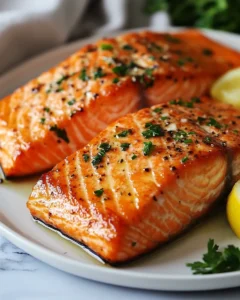
There is something undeniably comforting about a perfectly pan seared salmon fillet sizzling gently in a hot skillet. It is the kind of dish that feels equally at home on a busy weeknight or at an intimate weekend dinner, when you want something impressive without being complicated. For many home cooks, salmon is a go-to protein because it is nutritious, versatile, and quick to prepare, yet achieving that elusive balance of a crisp golden crust with a tender, flaky interior can feel like a mystery.
This recipe was inspired by countless evenings spent experimenting in the kitchen, trying to recreate the restaurant-style salmon that always seems to taste better than what we make at home. Over time, a few simple techniques emerged as the true game changers. With the right heat, seasoning, and timing, pan seared salmon transforms into a dish that feels luxurious, satisfying, and surprisingly easy to master.
Why Pan Seared Salmon Is a Timeless Favorite
Pan seared salmon has earned its place as a classic because it delivers maximum flavor with minimal ingredients. The natural richness of salmon pairs beautifully with a crisp exterior, created by direct contact with a hot pan. Unlike baking or poaching, pan searing allows you to control texture and doneness more precisely.
Another reason this method is so popular is its speed. From start to finish, you can have a complete, elegant main dish on the table in under 30 minutes. This makes it ideal for busy households, yet it still feels special enough for entertaining. With just a handful of pantry staples, pan seared salmon proves that great cooking is often about technique rather than complexity.
The Secret to Perfect Pan Seared Salmon
The real secret to perfect pan seared salmon lies in preparation and patience. First, starting with dry salmon is essential. Moisture is the enemy of crispness, so taking a moment to pat the fillets dry with paper towels makes a noticeable difference. Second, the pan must be properly heated before the salmon touches it. A hot pan ensures immediate searing, preventing sticking and creating that golden crust.
Equally important is resisting the urge to move the salmon too soon. Letting it cook undisturbed allows the crust to form naturally. When the salmon releases easily from the pan, it is ready to flip. These small but crucial steps are what separate average salmon from truly memorable salmon.
Ingredients You Will Need
To make perfect pan seared salmon, you only need a few high-quality ingredients. Each one plays a specific role in enhancing flavor and texture.
-
Salmon fillets, 4 pieces (about 170 g / 6 oz each), skin-on or skinless
-
Olive oil, 2 tablespoons (30 ml)
-
Unsalted butter, 1 tablespoon (15 g)
-
Garlic cloves, 2, finely minced
-
Fresh lemon juice, 1 tablespoon (15 ml)
-
Salt, 1 teaspoon (5 g), or to taste
-
Black pepper, ½ teaspoon (2 g)
-
Fresh herbs such as parsley or dill, 1 tablespoon (about 5 g), finely chopped
Step-by-Step Instructions for Pan Seared Salmon
-
Remove the salmon fillets from the refrigerator about 10 minutes before cooking. Pat them dry thoroughly with paper towels on all sides.
-
Season the salmon evenly with salt and black pepper. Press the seasoning gently into the surface.
-
Heat a large skillet over medium-high heat. Add the olive oil and allow it to heat until shimmering but not smoking.
-
Place the salmon fillets in the pan, presentation side down. If using skin-on fillets, start with the skin side down.
-
Cook without moving the salmon for 4 to 5 minutes, allowing a golden crust to form.
-
Gently flip the fillets using a spatula. Add the butter and minced garlic to the pan.
-
Spoon the melted butter over the salmon as it cooks for another 2 to 4 minutes, depending on thickness.
-
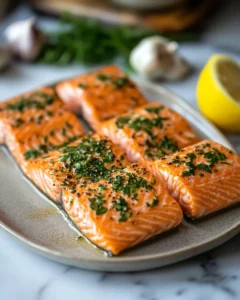
Remove the salmon from the pan when it flakes easily with a fork and is opaque in the center.
-
Drizzle with fresh lemon juice and sprinkle with chopped herbs before serving.
Tips for Restaurant-Quality Results at Home
Achieving professional-level results does not require special equipment, but a few mindful habits make all the difference. Using a heavy-bottomed skillet helps maintain even heat, which prevents hot spots that can burn the salmon. Cast iron or stainless steel pans work particularly well.
Another important tip is choosing the right fillets. Look for salmon that is firm, moist, and vibrant in color. Thicker fillets are more forgiving and less likely to overcook. Finally, remember that salmon continues to cook slightly after being removed from the pan, so taking it off just before it reaches your desired doneness ensures a perfectly tender result.
Serving Suggestions and Pairings
Pan seared salmon is incredibly versatile and pairs well with a wide range of sides. For a light and fresh meal, serve it alongside a crisp green salad with a simple vinaigrette. Steamed vegetables such as asparagus, green beans, or broccoli complement the richness of the salmon beautifully.
If you are looking for something heartier, consider serving the salmon with roasted potatoes, fluffy rice, or quinoa. A squeeze of lemon and a sprinkle of fresh herbs tie everything together, making the dish feel cohesive and well-balanced.
Frequently Asked Questions
How do I know when salmon is perfectly cooked?
Perfectly cooked salmon should be opaque on the outside and slightly translucent in the very center. When you press it gently with a fork, it should flake easily but still feel moist. Overcooked salmon tends to be dry and crumbly, so it is best to remove it from the heat just before it looks fully done. The residual heat will finish the cooking process naturally.
Should I cook salmon with the skin on or off?
Both options work well, and the choice often comes down to personal preference. Skin-on salmon provides a protective layer that helps keep the flesh moist during cooking. When cooked properly, the skin can also become delightfully crisp. Skinless fillets, on the other hand, are slightly easier to handle and absorb seasoning more evenly. Either way, the pan searing technique remains the same.
Why does my salmon stick to the pan?
Salmon usually sticks when the pan is not hot enough or when the fish is moved too soon. Ensuring the pan is fully heated before adding the salmon creates an immediate sear that prevents sticking. Additionally, allowing the salmon to cook undisturbed gives it time to naturally release from the pan once the crust forms.
Can I use frozen salmon for pan searing?
Yes, frozen salmon can be used, but it must be fully thawed before cooking. Thaw the salmon in the refrigerator overnight and pat it dry thoroughly before seasoning. Excess moisture from frozen salmon can interfere with browning, so taking the time to dry it properly is essential for achieving a crisp crust.
Health Benefits of Pan Seared Salmon
Salmon is widely celebrated for its nutritional value, making this dish as wholesome as it is delicious. It is an excellent source of high-quality protein, which supports muscle health and keeps you feeling satisfied. Salmon is also rich in omega-3 fatty acids, which are known to support heart health and overall well-being.
Cooking salmon in a pan with a moderate amount of oil preserves its natural nutrients while enhancing flavor. Compared to deep-frying or heavy sauces, pan searing is a balanced method that highlights the fish itself. Paired with vegetables or whole grains, pan seared salmon fits seamlessly into a well-rounded eating pattern.
Common Mistakes to Avoid
One of the most common mistakes when cooking salmon is overcrowding the pan. When too many fillets are cooked at once, the pan temperature drops, resulting in steaming rather than searing. Cooking in batches ensures each fillet gets proper contact with the pan.
Another mistake is over-seasoning. Salmon has a naturally rich flavor that does not require heavy spices. Simple seasoning allows the quality of the fish to shine. Lastly, avoid flipping the salmon multiple times. One flip is usually all that is needed for even cooking and a beautiful crust.
Final Thoughts
Mastering pan seared salmon is one of those kitchen skills that pays off again and again. Once you understand the simple principles behind it, you gain a reliable, go-to dish that can adapt to almost any occasion. Whether you are cooking for yourself, your family, or guests, this recipe delivers consistent results without unnecessary stress.
What makes pan seared salmon truly special is its balance. It feels indulgent yet wholesome, elegant yet approachable. The crisp exterior contrasts perfectly with the tender interior, creating a satisfying experience in every bite. With just a few quality ingredients and mindful technique, you can transform an ordinary piece of fish into a memorable meal.
As you make this recipe your own, feel free to experiment with herbs, spices, and side dishes. The foundation remains the same, but the possibilities are endless. Once you experience how simple and rewarding perfect pan seared salmon can be, it is likely to become a regular feature in your kitchen, bringing both comfort and confidence to your cooking routine.
Print
The Secret to Perfect Pan Seared Salmon Revealed
- Total Time: 20 minutes
- Yield: 4 servings
Description
A simple yet elegant dish featuring crispy, golden salmon with a tender, flaky interior, perfect for any occasion.
Ingredients
-
Salmon fillets, 4 pieces (about 170 g / 6 oz each)
-
Olive oil, 2 tablespoons (30 ml)
-
Unsalted butter, 1 tablespoon (15 g)
-
Garlic cloves, 2, finely minced
-
Fresh lemon juice, 1 tablespoon (15 ml)
-
Salt, 1 teaspoon (5 g)
-
Black pepper, ½ teaspoon (2 g)
-
Fresh herbs, 1 tablespoon (about 5 g), chopped
Instructions
-
Pat the salmon fillets dry with paper towels and season evenly with salt and black pepper.
-
Heat olive oil in a skillet over medium-high heat until shimmering.
-
Place the salmon in the pan and cook undisturbed for 4 to 5 minutes.
-
Flip the salmon, add butter and garlic, and spoon the melted butter over the fish.
-
Cook for another 2 to 4 minutes until the salmon flakes easily.
-
Finish with lemon juice and fresh herbs before serving.
Notes
For best results, use fresh, high-quality salmon and avoid overcrowding the pan. Allow the salmon to rest briefly after cooking to ensure maximum juiciness.
- Prep Time: 10 minutes
- Cook Time: 10 minutes